
"long History"
7000 article(s) found

American Coffee History From Cowboy Coffee to Fine Coffee
After the 19th century, coffee became an important import commodity in the United States, and hoarding was very common. At that time, although the consumption of coffee in the United States was large, it was not heavy in weight, as long as there was caffeine, and it was ridiculed as cowboy coffee. Western cowboy just need to light a fire in the field, boil the pot of water, add coffee powder, boil again, remove the coffee pot, wait for a few minutes, let the coffee grounds sink

The History of siphon Pot basic knowledge of Coffee utensils
In 1840, a glass test tube in a laboratory triggered the invention of the siphon coffee maker (Syphon). The British took the test tube used in Biya's chemical experiment as a model to create the first vacuum coffee pot. Two years later, Mrs. Bachang of France improved the kettle, and the familiar upper and lower convection siphon pot was born. The siphon coffee maker lived in France for a long time.

History of Brand: blue Mountain Coffee (JABLUM)
Gourmet Blue Mountain Coffee (JABLUM) is an authentic Jamaican Blue Mountain Coffee brand with a long history, which is produced by the Mavisban Coffee Company, which accounts for 40% of Jamaica's Blue Mountain Coffee production every year. Blue Mountain Coffee, produced in the Blue Mountains of Jamaica, is famous all over the world for its unique excellent quality. The Blue Mountains are located in Jamaica.

The Development History of Coffee when did coffee flow into China
"the History of Coffee" only people who know how to appreciate coffee will know how to taste coffee. Just like those who love life, they will know how to cherish the happiness at present. Because happiness is the calendar of vicissitudes of life

A brief history of our coffee drinking in China's coffee retail market
If you jump out of the framework of making coffee and look at China's coffee retail market from a big market point of view.
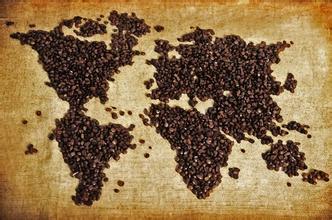
About Coffee History Origin Boutique Coffee History of Yemeni Coffee
Sunny afternoon, your hand will often accompany a cup of strong coffee? You may have made this a habit that is hard to break. But as one of the most popular drinks on the planet, you may not know coffee as well as you think. How was coffee first discovered? How much water does it take to produce one pound of coffee beans? And cat poop coffee. What is it?

A brief introduction to the History and Culture of the Origin and Development of Fine Coffee beans in Chimeier Manor with a long aftertaste
Another special thing is that the variety of coffee planted by Chimere cannot even be counted with one hand: Typica, Arusha, BlueMountain, MundoNovo, Catimor, Caturra or even more-in fact, just as they don't put eggs in the same basket, most farmers actually plant different varieties to avoid the growth of a particular variety.

The History of siphon Pot for making Fine Coffee training Pot
In 1840, a glass test tube in a laboratory triggered the invention of the siphon coffee maker (Syphon). The British took the test tube used in Biya's chemical experiment as a model to create the first vacuum coffee pot. Two years later, Mrs. Bachang of France improved the kettle, and the familiar upper and lower convection siphon pot was born. The siphon coffee maker lived in France for a long time.
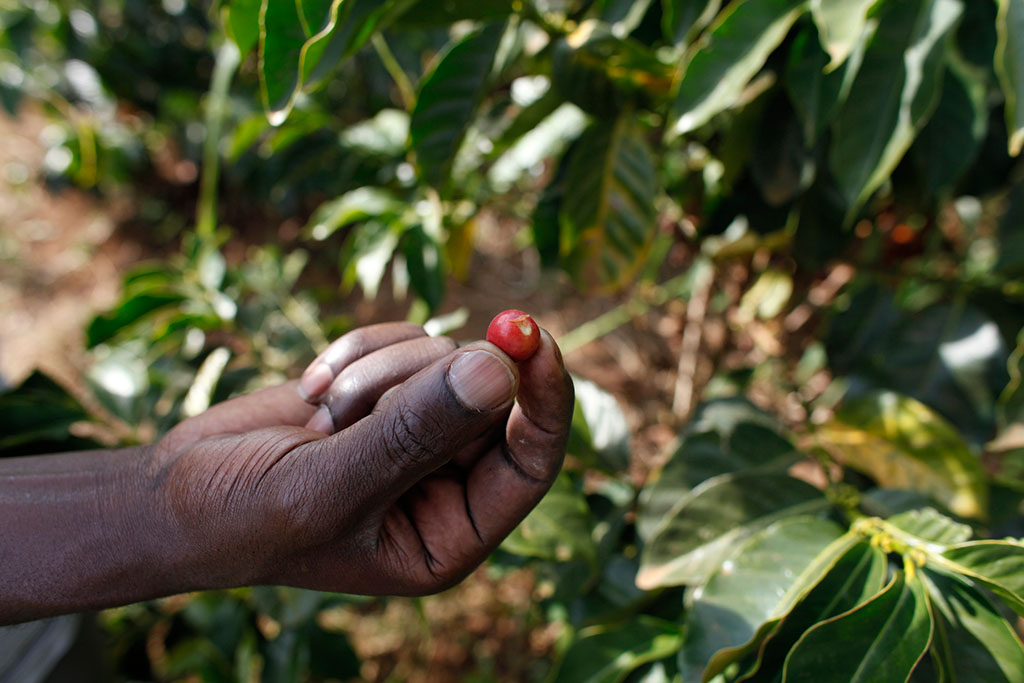
The Origin of Coffee name and the introduction of long History and Culture Coffee must be seen by beginners
The origin of the name of coffee begins with Ethiopian legend in the 5th century AD, when the sheep of the shepherd boy Kadi was so excited after eating a strange kind of red fruit that Kadi and his companions could not help but give it a try. I feel refreshed and tired out. This kind of red fruit has since become a part of the local food culture, and this red fruit is coffee.

An introduction to the Cultural History of Coffee Bean Story in Ethiopia
Introduction to the Cultural History of the Ethiopian Coffee Bean Story Getachew Mengistie, director of the Ethiopian Bureau of intellectual property, bluntly pointed out that farmers sell raw beans for $1.45 per pound, while Starbucks sells for $26 per pound in the United States, a price difference of 18 times. The reason is that Ethiopia does not know how to use intellectual property rights to create value for farmers.

Planting history of single bean flavor description in Diamond Mountain, Costa Rica
For professional baristas, please follow the coffee workshop (Wechat official account cafe_style) ORIGIN: Costa Rica REGION: Tarrazu SUBREGION: Dota Valley PRODUCER: Montanas Del Diamante Estate/Gutierrez Family PLANT SPECIES: Arabica PROCESSING METHOD: Washed PROCESSING DESCRIPTION:

History of coffee in Rwanda, one of the largest coffee growers in the world. Introduction to small coffee farms.
Rwandan coffee has both a colorful history and an exciting taste. It is a rare and excellent coffee producing area. But it is true that the history of coffee in Rwanda is not as long as we think, and the historical development of coffee in Rwanda can even be described as twists and turns. The first coffee plants arrived in Rwanda as late as the early 20th century, but 30 years later, Rwandan coffee

The Origin of Cafe Culture basic knowledge of Cafe Culture
History itself is a cultural phenomenon, and the deposition of human culture is the product of human long-term history and social practice, which is both spiritual and material. Therefore, when we mention the term culture, it represents that rhyme is not only a common concept in the academic and ideological field, but also a daily term in social life. Everything created by human beings can be regarded as the content of culture.
History of coffee in Rwanda, one of the largest coffee growers in the world. Introduction to small coffee farms.
Rwandan coffee has both a colorful history and an exciting taste. It is a rare and excellent coffee producing area. But it is true that the history of coffee in Rwanda is not as long as we think, and the historical development of coffee in Rwanda can even be described as twists and turns. The first coffee plants arrived in Rwanda as late as the early 20th century, but 30 years later, Rwandan coffee

Development history of coffee machine
At the beginning of the 20th century, an impatient engineer living near Napoli, Italy, was impatient with dripping coffee for too long, so he came up with a way to make coffee in a high-temperature and high-pressure way to shorten the time, so he invented the world's unique Italian coffee for quick cooking, and Espresso became popular. This impatient project
Talking about baking-A brief history of our coffee drinking
If you jump out of the framework of making coffee and look at China's coffee retail market from a big market point of view.

What are the characteristics of Yemeni mocha coffee beans? What's so special about the planting history and environment?
What are the characteristics of Yemeni mocha coffee beans? What's so special about the planting history and environment? Where is the flavor going? As a matter of fact, Yemen is located on the Arabian Peninsula of the Asian continent, but it is very close to Africa as long as it crosses the Red Sea and the Gulf of Aden. However, other Arab countries do not produce coffee, so the world classifies Yemen Coffee as a member of the North African coffee family.

A brief introduction to the Coffee planting History of the Spring Manor in Colombia
Sun drying is an ancient treatment method. The fresh fruit is dried directly outdoors, and the sugar in the flesh is absorbed by the coffee bean, giving the coffee bean a compound flavor and aroma. At Farallones Farm, the fully ripe fresh fruit will be picked and dried directly by the sun, which will maximize the sugar content of the coffee compared with the long sun drying method.

Introduction to Peruvian boutique coffee beans in Peru, a coffee producer with a short history of growing coffee
Peruvian coffee cultivation history is not long, but as a rising star, Peruvian coffee is gradually opening up its popularity and entering the international market. Peru is located in western South America, with a coastline of 2254 kilometers. The Andes runs from north to south, and the mountains account for 1% of the country's area. it belongs to the tropical desert region with a dry and mild climate. Peruvian coffee is mostly grown at the foot of the Andes, where it is abundant.

American Coffee History: from Cowboy Coffee to Fine Coffee
After the 19th century, coffee became an important imported commodity in the United States, and hoarding was heard of from time to time. At that time, although there was a large consumption of coffee in the United States, it did not attach importance to the quality of coffee. As long as there was caffeine, it was ridiculed as cowboycoffee. The western cowboy just needs to make a fire in the field, boil the water in the pot, add the coffee powder, bring it to a boil, remove the coffee pot, and wait for a few minutes until the coffee grounds sink.